

New statistics from Welsh Government show that 162 people were sleeping rough in Wales in May 2026
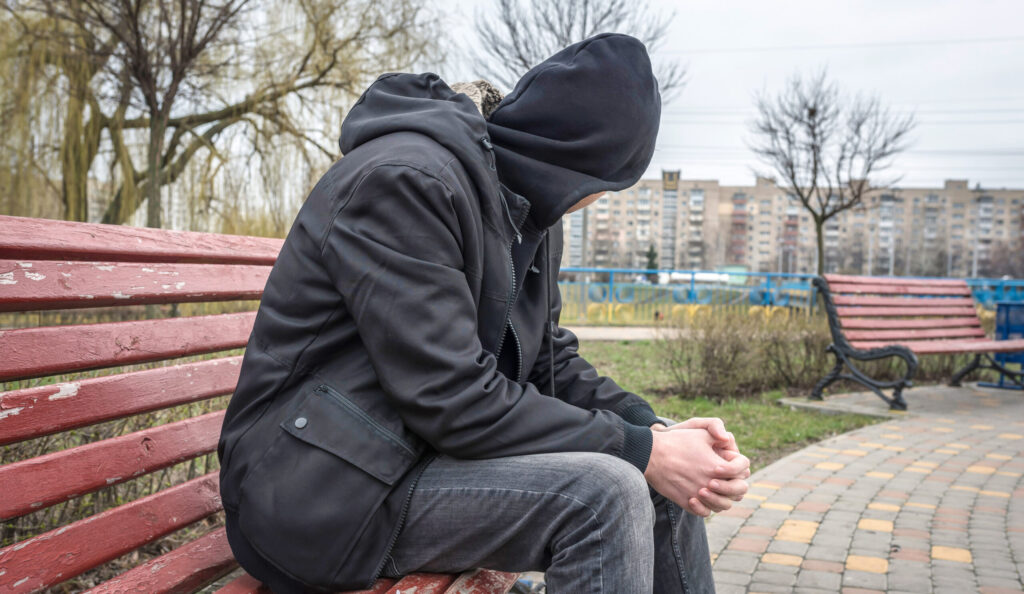
The figures also show that 10,282 people were living in temporary accommodation (hostels or B&Bs), including 2,219 children under 16.
This is more people on the streets than this time last year. The number of people in temporary housing has decreased slightly, but number has remained above 10,000 people for many years now.
It remains vital that Government continues to prioritise funding assertive outreach services and safe, affordable homes with wrap-around support that meets people’s needs.
The Wallich response
In light of recent media and political attention on rough sleeping, Sian Aldridge, CEO of The Wallich, said:
“To hear a Prime Minister say that tackling rough sleeping is a priority, is pretty incredible. We now need to see action.
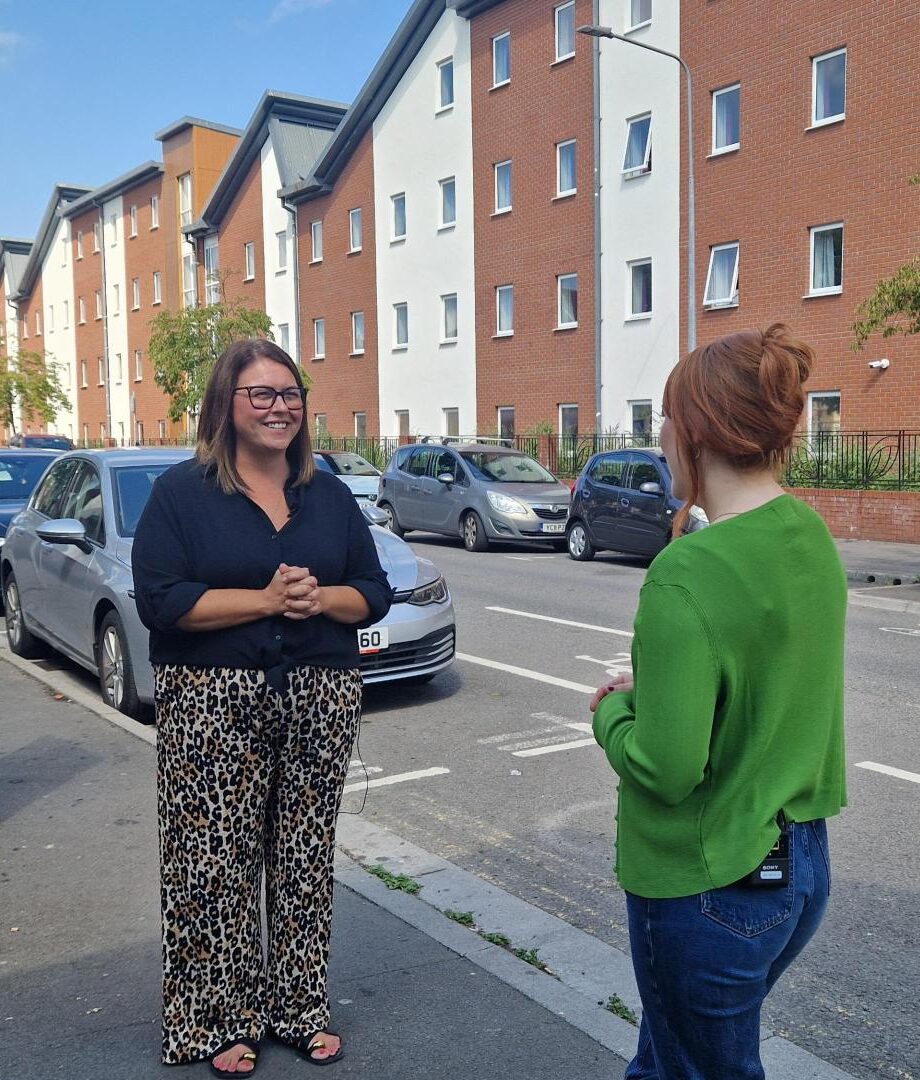
The homelessness figures for Wales demonstrate the reasons why this is needed.
We know at The Wallich that ending rough sleeping is possible with determination and political leadership. We did it in COVID and we can do it again, but it needs to be backed up with the funding and support models to help people into affordable long-term homes.
With housing being devolved to Wales, and the £340 million pledge by the Burnham government only relevant to England, we need to make sure Wales keeps the same focus.
The new Homelessness and Social Housing Allocation Act is a great example of how we can change the housing system for the better, and there are many more solutions that both governments can use to tackle the housing crisis.
But the new Welsh Government needs to see through its commitment to implementing the Act, ensuring no wrong door to accessing help, and investing into the Housing Support and Prevention budget which provides that help.
We hope to see a refreshed Welsh Government Action Plan with a clear roadmap to ending homelessness. It also must deliver on its commitment to deliver 20,000 social homes by 2030, because we have a severe lack of homes in Wales that people can afford.”
Homelessness is not just a housing issue, it is a health issue.
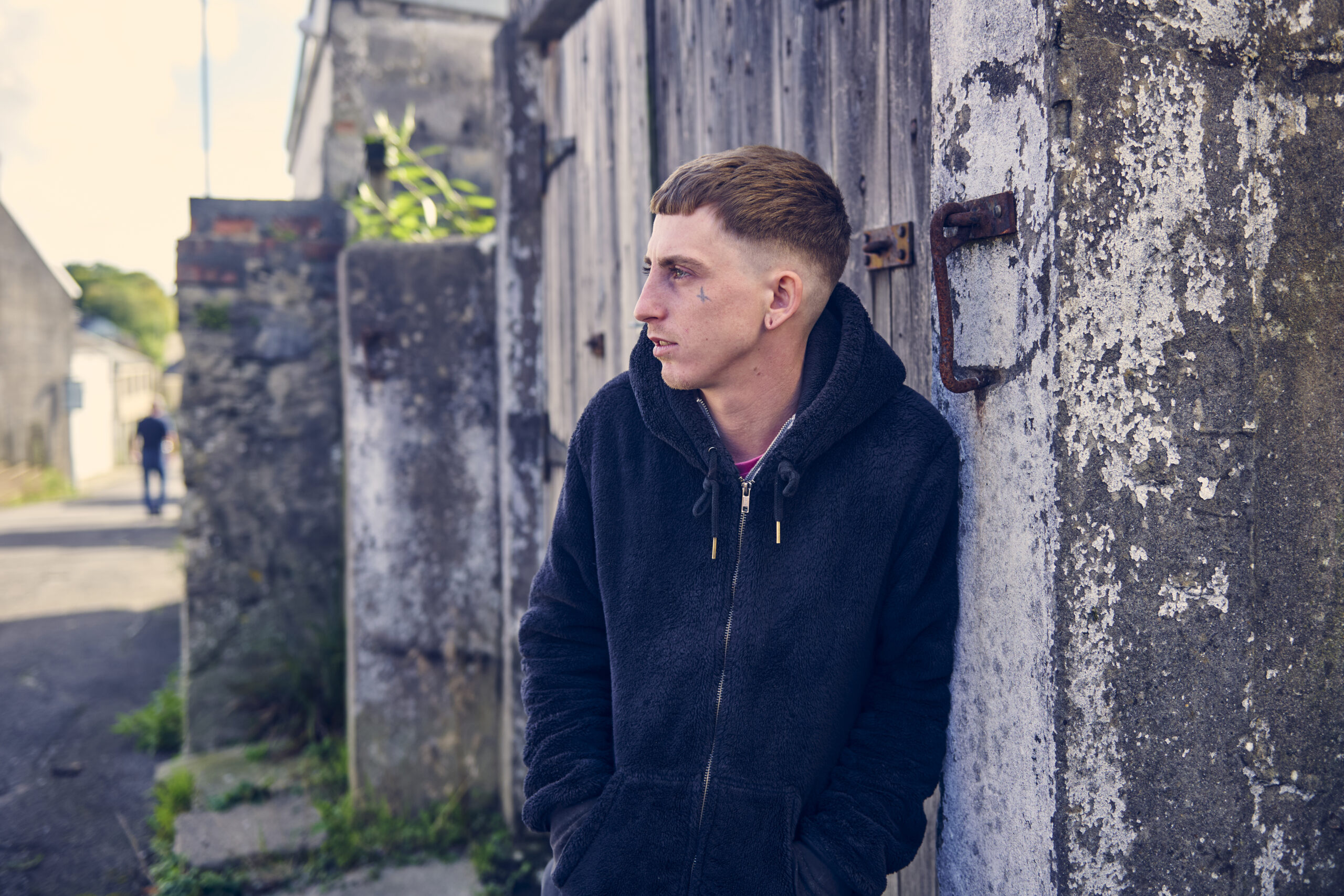
Last year, the average life expectancy of someone sleeping rough in Wales was just 43 for women and 45 for men.
Homelessness can lead to respiratory illnesses, untreated injuries, long-term health conditions, increased anxiety and poor mental health. When someone is sleeping rough, it is difficult to access healthcare, medication, or support.
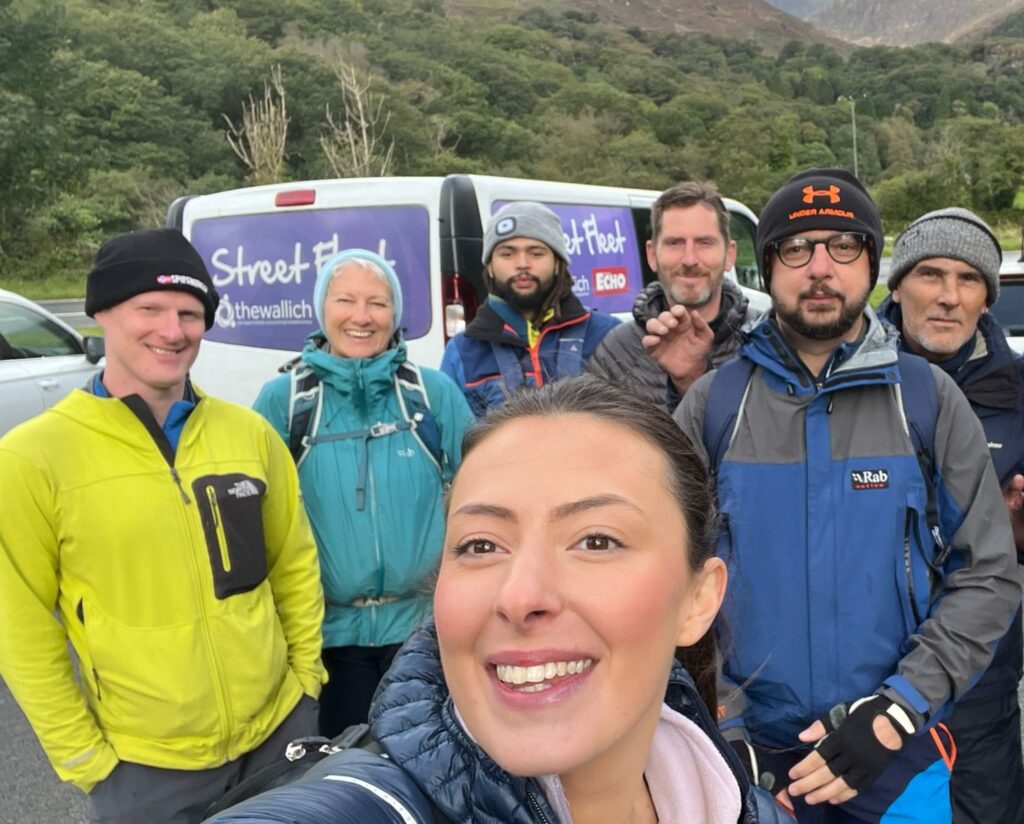
The Wallich has dedicated rough sleeping outreach teams and drop-in centres in Aberystwyth, Cardiff, Bridgend, Swansea, Haverfordwest and Pontypool.
Across Wales, The Wallich has supported 3,342 people in the last 3 months. We’ve helped them to find accommodation, maintain their tenancy, negotiate with their landlord, improve their life skills. Because we believe that every person has the right to a safe place to call home.
Advice for people sleeping rough in hot weather
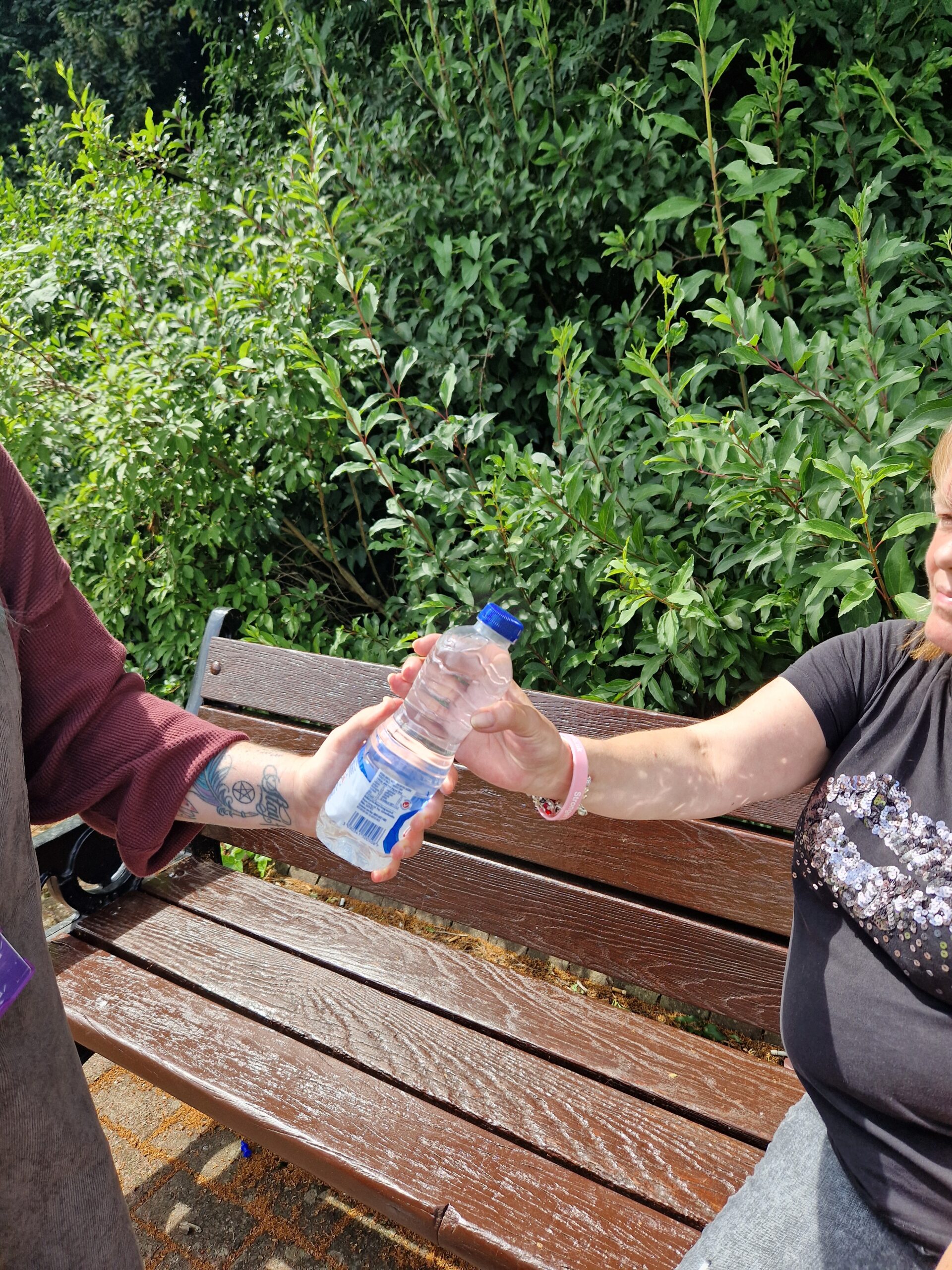
- Stay hydrated
- Use suncream (SPF 50+)
- Wear a hat for shade
- Find cool places, such as The Wallich drop-in centres, libraries, other public buildings
- Have a shower if you can. Use wet wipes if you can’t.
- If you are using, go low and slow and don’t use alone.
- Keep your pet cool, shaded, and hydrated.